
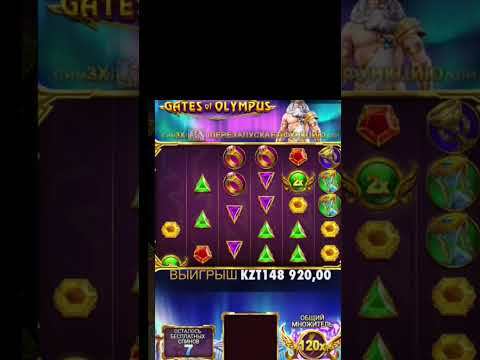
Gates of Olympus draws its entire identity from Greek mythology, and the theme drives every mechanical choice in the game. The reels sit inside a temple surrounded by marble columns and floating clouds, while Zeus himself appears as the central figure who can increase wins during any spin. This setting is not merely decorative; the symbols, sound cues, and win animations all reinforce the idea that divine intervention can change the outcome at any moment. Players who understand how the mythological layer connects to the actual mechanics will spot opportunities faster than those who view the visuals as background noise. The temple backdrop also adjusts lighting during big wins, shifting from daylight to a golden dusk that indicates a multiplier chain is about to settle.
Player Return and Variance Overview
The listed return-to-player percentage sits at 96.5 percent, which places the game slightly above the prevailing average for video slots. That figure is computed over millions of spins, so short sessions can swing sharply. Volatility is classified high, indicating the distribution of outcomes favours infrequent but larger payouts. During testing, dry spells of twenty to thirty spins are common, yet the same session can yield a multiplier chain that surpasses one hundred times the stake. Players who enjoy steady small wins may feel the swings uncomfortable, while those who tolerate variance can align their session length with the mathematical rhythm of the title. We have observed sessions where the first twenty-five spins returned nothing, only for spins twenty-six through twenty-eight to yield a combined payout above eighty times the stake.
Because the RTP is an average, the game can feel stingier or more generous relying on the chosen stake level and the timing of Zeus interventions. A player who joins during a period of frequent lightning bolts will undergo a higher effective return than someone who endures a stretch of empty spins. Tracking the interval between bolt appearances over the first fifty spins gives a practical sense of whether the session is departing above or below the theoretical curve. Adjusting expectations correspondingly helps us choose whether to extend the session or walk away before a natural variance swing erodes the bankroll.

Core-Game Symbols and Prize Values
The paytable separates into two tiers. The lower tier includes coloured gemstones that pay between 0.2 times and 0.8 times the stake for twelve matching symbols. The upper tier contains mythological items such as a golden gauntlet, a helm, and a ring, each returning between two times and twenty times the stake for the same cluster size. Zeus shows up only as a special symbol and never makes line wins; instead he starts the multiplier feature. Knowing the exact thresholds helps players determine when to raise or lower their bet, because the gap between a gem win and a helm win can exceed a factor of ten on identical cluster sizes. A twelve-gem cluster at the lowest stake returns just enough to keep the balance moving, whereas the same number of rings can surpass the entire starting stake in one tumble sequence.

Colour coding on the gems also serves as a quick reference for value. Blue stones are placed at the bottom of the pay scale, while purple stones occupy the top of the low tier. When the reels slow after a tumble, the eye naturally catches the dominant colour first, giving an immediate hint about whether the payout will be modest or substantial. This visual shorthand grows useful during rapid tumble chains where there is little time to count symbols before the next drop begins. Over hundreds of spins the pattern recognition accelerates decision-making about whether to boost the stake or stay patient.
Payout Ceilings and Cap Mechanics
The game enforces a maximum payout cap of five thousand times the stake in a single spin sequence. Once the accumulated total attains this ceiling, further tumbles proceed only for entertainment, and any excess is discarded. Reaching the cap necessitates a combination of high-value clusters and stacked multipliers above two hundred times. While the theoretical top win remains rare, the presence of the cap influences strategy: players who notice multipliers already exceeding one hundred times may decide to raise the stake for the remaining spins in order to transform the same reel outcome into a larger absolute payout before the cap is hit. The cap resets on the next paid spin, so the decision to increase the bet must be taken while the current sequence is still live.
Because the cap is implemented after all multipliers have been calculated, a tumble chain that would have reached six thousand times is simply truncated. This truncation can feel abrupt if the screen continues to animate wins that no longer add to the balance. Watching the win counter closely once it passes three thousand times aids us foresee whether the next drop will push the total over the limit. If the counter is already climbing rapidly, holding the current stake avoids the disappointment of unpaid spins, while a modest increase can grab more of the sequence before the ceiling is reached.
Sound Design and On-Screen Feedback
Audio cues are connected directly to machine actions. A gentle chime triggers when gems form a cluster, while a deeper percussion hit marks a helm or ring win. When Zeus casts a bolt, the screen shades for a fraction of a second and a thunder crack verifies the multiplier placement. These cues help veteran players take in information without constantly checking the win counter. The same audio layer also signals the transition into free spins with a lengthier orchestral swell, letting anyone wearing headphones to recognise the round change though they glance away from the screen. The tone of the chime rises slightly with each sequential tumble, giving an audible sense of how many drops have already happened in the present sequence.
On-screen feedback complements the https://www.reddit.com/r/poker/comments/1ycwwu/how_long_do_daily_tournaments_in_vegas_usually/ audio through color flashes that match the symbol tier. Weaker gem wins produce a quick white flash, while higher-tier wins trigger a gold flash that persists for 0.5 seconds. When a multiplier over fifty times is used, the full grid receives a subtle blue tint that dissolves only after the payout is added. These stacked indicators create a consistent language that lessens the need to check numbers during rapid play. Over time the blend of sound pitch and colour intensity becomes an almost automatic indicator of whether the ongoing tumble is worth following until the end.
Wagering Range and Wager Adjustments
Stake sizes usually start at twenty rupees per spin on Indian-facing sites and rise in ten-rupee steps until hitting the domestic equivalent of 5,000 rupees. The broad range permits both casual players and high-stakes players to locate a fitting level without altering games. Because the tumbling feature can yield multiple wins from one stake, adjusting the bet mid-session impacts every following cascade equally. Gamers frequently begin at the minimum level to observe the rate of Zeus interventions before dedicating larger amounts during a session that already exhibits active multipliers. A leap from 20 rupees to 50 rupees can multiply a hundredfold multiplier from a small return into a reward that covers an entire evening’s play.
In-session wager adjustments also correlate with the max win limit. Increasing the stake after a big multiplier has already landed threatens reaching the five-thousand-times ceiling more quickly, which can leave later tumbles unrewarded. On the other hand, lowering the stake after a extended quiet period cuts the cost of ongoing testing while the reel behavior remains quiet. We have discovered that a one bet change at the thirty-spin mark, determined by bolt rate, often produces a smoother bankroll curve than multiple small tweaks throughout the session.
Free Spins Bonus Round Mechanics
Getting four or more scatter symbols, depicted by the temple Gates of Olympus promo code, grants ten first free spins. During the round every multiplier bolt that appears gains an extra life and stays the grid for the remainder of the feature. If a bolt reaches five hundred times it continues until the free spins end, providing the possibility of a lasting high multiplier that works on every subsequent tumble. Retriggers happen whenever three additional scatters show up, granting five more spins without removing the collected multipliers. The round consequently benefits patience; the longer the feature lasts, the higher the cumulative multiplier ceiling rises. A solitary five-hundred-times bolt that lasts through eight or nine spins can transform even low-value gem clusters into considerable returns.
Retrigger frequency tends to increase once two or more high-value bolts are already on the grid, because the larger multipliers generate more visible win celebrations that hold players engaged. The game doesn’t display a obvious counter for remaining spins, so concentration to the bolt count turns into the main marker of how much longer the round may go on. When three or more bolts stand above one hundred times, the remaining free spins often produce the session’s largest single payout, even if the actual cluster sizes stay modest. Keeping track of these bolts helps us judge whether prolonging the session after the feature ends is probably to recreate the same level of excitement.
Reels and Rows, Positions and Paths to Succeed
The arrangement uses a six-column five-row grid that pays through a scatter-pay system as opposed to fixed lines. Any 8 or more matching symbols in any position on the screen form a win, and the symbols then disintegrate to let new ones drop into place. This tumble mechanic continues until no new combinations form, which means a single paid spin can yield several consecutive wins. Because every symbol position is important, the total number of ways to win goes up to well above 100 000 combinations on every spin. Players should watch the cluster size carefully; eight low-paying coins may return less than five high-paying helmets, so symbol value counts as much as quantity. When a tumble chain achieves four consecutive drops, the screen briefly magnifies to highlight the growing multiplier trail, giving players an instant visual cue that the payout is increasing.
The absence of traditional paylines also modifies how we assess near-misses. A cluster of seven matching symbols seems close to a win, yet the game regards it as a complete miss. Understanding this distinction prevents the common mistake of reading momentum into a result that the math does not confirm. Over longer sessions the scatter-pay model tends to produce more frequent but smaller clusters in the base game, while the larger payouts occur when multipliers land inside those clusters. Keeping a mental note of how often eight-symbol groups appear helps us assess whether the current reel rhythm is running hot or cold.
Multiplier Wilds and Random Occurrences
At the start of any spin there is a possibility that Zeus will hurl lightning bolts onto the grid. Every bolt lands on a random position and attaches a multiplier from two times up to five hundred times. If a winning cluster subsequently hits that spot, the attached multiplier is applied to the entire tumble sequence. Several bolts can accumulate, so a single tumble chain might build up several multipliers that combine multiplicatively rather than add. The feature can activate on paid spins and during free spins alike, which means the base game already includes a built-in surprise element that influences bankroll swings. A bolt with a multiplier of one hundred times or higher can turn an typically ordinary cluster into a payout that covers dozens of previous dead spins.
The placement of bolts is random, yet some visual indicators show up right before they strike. The sky darkens momentarily, and a subtle crackling noise is heard even if the bolt ends up missing any winning cluster. Skilled players utilize this hint to anticipate the possibility of a large swing, either by observing the current bet or by choosing whether to observe the upcoming spins with greater attention. Since the multiplier stays visible until it is consumed, it also functions as a persistent reminder that the next tumble could be worth far more than the stake alone implies.
Hands-on Session Planning
Given that the volatility is high, a real-world approach starts with a predetermined number of spins rather than a fixed monetary target. Reserving a bankroll portion that covers at least one hundred and fifty spins reduces the chance of stopping during a dry spell that would have preceded a large tumble sequence. Tracking the appearance rate of Zeus bolts during the first thirty spins can signal whether the session is entering a high-multiplier phase. If bolts appear more than once every ten spins, holding the current stake is usually more efficient than repeatedly adjusting it upward or downward. A basic notebook entry at the thirty-spin mark keeps the observation impartial and prevents emotional decisions later in the session.
We also recommend noting the average cluster size during the same thirty-spin window. If most wins involve only eight or nine symbols, the session is likely still in a low-activity phase even if bolts are appearing. Conversely, clusters of twelve or more symbols combined with frequent bolts indicate the reels are entering a more generous stretch. Modifying the remaining spin count based on these two observations, rather than on the balance alone, aligns the session length with the game’s actual rhythm and boosts the probability of catching a multiplier chain before the bankroll is exhausted.
